
Rodent control fresno

How to Get Rid of Rats in Fresno Homes

Seeing a rat in your Fresno home can be alarming, but finding the cause of the problem is the first step toward getting rid of it. The most effective approach is to identify where rats are entering, remove food and shelter sources, trap active rats, and seal openings that allow them back inside.

Fresno County homes commonly encounter two types of rats: Norway rats and roof rats. Roof rats are especially important to consider around homes with trees, dense landscaping, attics, walls, and roofline access. Norway rats are more likely to stay close to the ground and may burrow around foundations, trash areas, or woodpiles.

Quick Answer: How Do You Get Rid of Rats in a Fresno Home?

To get rid of rats, seal entry points, set traps, and remove food and water sources while checking for signs of activity. Remove accessible food, water, fallen fruit, trash, and nesting areas. Use properly placed snap traps where rat activity is confirmed, then seal cracks and openings so new rats cannot enter.

For established activity in an attic, wall void, crawl space, or other difficult to reach area, contacting a qualified pest control professional can make the process safer and more thorough.

The most important part is not simply removing the rat. The entry point and conditions that attracted the rat need to be addressed too. UC IPM identifies exclusion, removal of food and shelter, and trapping as key parts of rat management.
What Types of Rats Are Common in Fresno?

Roof Rats

Roof rats are excellent climbers and commonly live above ground. Around homes, they may use trees, shrubs, dense vegetation, rooflines, attics, wall spaces, and ceiling voids.

They can move through elevated routes and may enter a home through openings around the roof, vents, eaves, soffits, utility lines, or other areas that are easy to overlook.

UC ANR’s Fresno Gardening Green specifically identifies roof rats as one of the most common rats found around Fresno County homes and neighborhoods.

Norway Rats

Norway rats are generally more associated with ground level areas. They can create burrows around foundations, trash areas, woodpiles, and other sheltered locations.

Inside buildings, they are more commonly found on lower floors or in ground level areas.

Because roof rats and Norway rats use different parts of a property, identifying their likely travel routes can make inspection and control more effective.

How Do Rats Get Into Fresno Homes?

Rats do not need a large open doorway to enter a property. They can use cracks, gaps, damaged screens, utility openings, vents, doors, roof openings, and other weak points around a house.
Common places to inspect include:
1. Gaps around plumbing and electrical lines
2. Attic and crawl space vents
3. Roofline openings
4. Eaves and soffits
5. Gaps around doors and windows
6. Garage door gaps
7. Openings around pipes and cables
8. Foundation cracks
9. Damaged screens
10. Areas where tree branches provide access to the roof
UC IPM recommends sealing cracks and openings larger than one quarter inch and notes that rats can chew through materials such as plastic, foam, wood, and caulk.
For additional prevention, the CDC recommends checking areas around the roof, attic vents, foundation, windows, doors, pipes, electrical lines, and other utility penetrations.

7 Steps to Get Rid of Rats in Your Fresno Home

1. Look for Signs of Rat Activity

You may notice rats before you actually see one.

Look for:
• Rat droppings in garages, kitchens, storage areas, attics, or near food
• Gnaw marks on food containers, wood, wiring, or other materials
• Scratching or movement sounds inside walls or ceilings
• Shredded material used for nesting
• Burrows around foundations or outdoor structures
• Gnawed fruit or nuts in the yard
• Rat pathways along fences, trees, utility lines, or other elevated surfaces
UC IPM lists droppings, gnaw marks, nests, burrows, and visible travel routes among common signs of rat activity.

2. Remove Food Sources

Rats stay where food is easy to find.

Start by securing household and outdoor food sources. Keep garbage containers closed, clean up food spills, and store food in containers with tight fitting lids.

Pet food is another commonly overlooked source. UC ANR recommends putting out only enough food for pets to eat and bringing pet food indoors at night when practical.

Bird feeders can also attract rodents. If rats are active around your yard, look at where bird seed, pet food, compost, garbage, and fallen produce are being placed.

3. Clean Up Your Fresno Yard

Outdoor conditions can make a home more attractive to rats.

Remove or reduce:
• Fallen fruit
• Dense piles of leaves and garden debris
• Unused woodpiles
• Excess vegetation
• Climbing plants against the building
• Unsecured trash
• Outdoor food sources

UC IPM recommends reducing dense vegetation and creating space between shrubs and buildings. It also recommends pruning tree limbs that are within three feet of a roof and removing climbing vegetation from buildings.

This can be particularly useful when dealing with roof rats because they are strong climbers and can use trees and vegetation as pathways toward a roof.

4. Find and Seal Entry Points

Trapping a rat without fixing the opening can leave your home vulnerable to another infestation.

Inspect both the interior and exterior of the structure. Look at the roof, attic vents, eaves, soffits, foundation, garage, doors, windows, utility penetrations, and areas around pipes.

Use appropriate durable materials for sealing. UC IPM recommends materials such as steel wool, wire screen, or sheet metal and warns that rats can chew through several softer materials.

The CDC also recommends using metal, hardware cloth, cement, or other suitable materials for larger openings rather than relying only on soft materials.

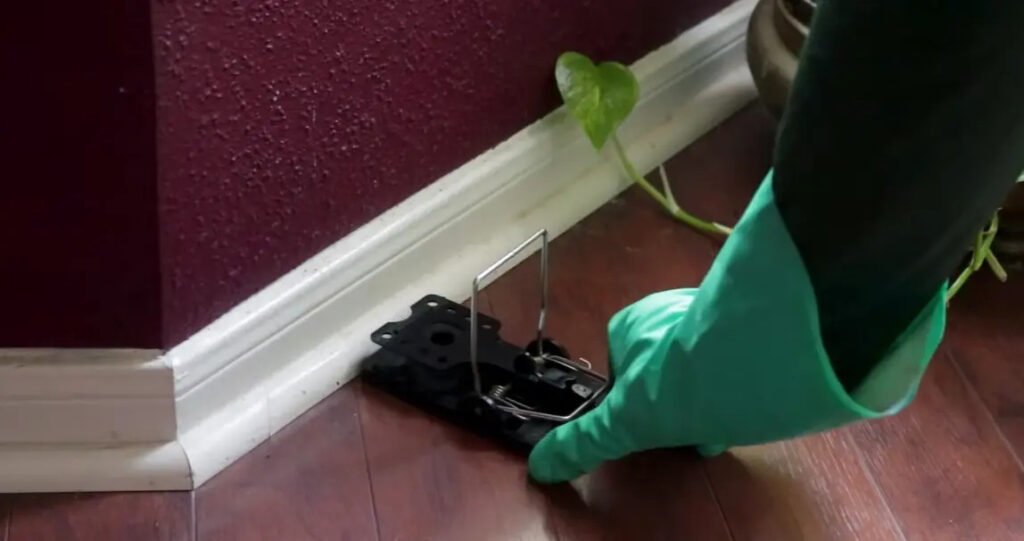
5. Use Rat Traps Where Activity Is Confirmed

Snap traps can be an effective option when they are properly selected and placed.

UC IPM describes snap traps as the safest, most effective, and most economical trapping method for rats. For Norway rats, traps are generally positioned close to walls, in dark corners, behind objects, or near areas with signs of activity. Roof rat traps may need to be placed in elevated locations where the animals travel.

Rats can be cautious around new objects. UC ANR notes that pre baiting traps before setting them can help overcome this behavior.

Keep traps away from children and pets and follow the manufacturer’s instructions.

6. Check the Attic and Roofline

If you hear scratching above the ceiling or notice rat activity around the upper parts of your home, do not assume the problem is limited to the yard.

Roof rats commonly use:
Trees → roofline → attic → wall or ceiling voids

Inside, inspect areas such as:
• Attic vents
• Eaves and soffits
• Roof penetrations
• Gaps around cables and pipes
• Damaged screens
• Areas where branches reach the roof

Roof rat exclusion often takes more effort because these rats are capable climbers and can enter through elevated openings.

7. Monitor After Removal

Getting rid of visible rats is not the end of the process.

Continue checking the areas where you previously found droppings, gnaw marks, nesting material, or other signs.

The CDC recommends continuing trapping until there are no more signs of rodent activity. If new droppings, urine spots, or gnawing continue, the infestation may not be resolved.

How to Keep Rats From Coming Back

Long term rat control starts with making the property harder for rats to enter and less attractive as a food or nesting location.
Keep garbage secured, store food properly, remove fallen fruit, keep pet food controlled, and maintain vegetation around the structure.
Pay particular attention to roof access if you live in an area with mature trees or dense landscaping.
UC IPM recommends pruning vegetation away from buildings, removing climbing plants, securing food sources, and sealing structural openings as part of an integrated approach to rat management.
Think of prevention as three parts:

Remove what attracts rats.

Block how they enter.

Monitor for signs of new activity.

How Do You Get Rid of Roof Rats in Fresno?
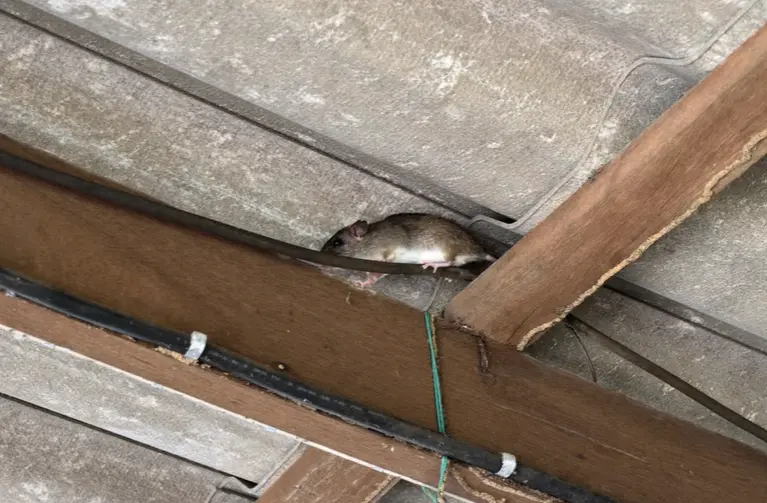
Roof rats require special attention because they are strong climbers and commonly use elevated areas.
Start outside by checking trees, shrubs, vines, roof edges, attic vents, eaves, and other possible pathways to the building.
Inside, inspect the attic, wall voids, ceiling spaces, and other elevated areas for droppings, nesting material, gnaw marks, or scratching sounds.
Pruning branches away from the roof and reducing dense vegetation can make it more difficult for roof rats to reach the structure. UC IPM recommends keeping tree limbs at least three feet away from the roof and reducing dense plantings around buildings.
However, trimming vegetation alone will not solve an established infestation. The actual entry points still need to be located and sealed.

Should You Try DIY Rat Removal or Call a Professional?

A small, clearly identified rodent problem may sometimes be manageable with sanitation, exclusion, and properly placed traps.
Professional help becomes more useful when:
• Rats are active inside walls or ceilings
• You hear repeated scratching in the attic
• Droppings continue after trapping
• There are multiple signs throughout the property
• You cannot locate the entry point
• Rats are entering through difficult to reach areas
• There is significant contamination or nesting material
• You are concerned about safely cleaning an infested area
A professional inspection can help identify the species, locate access points, determine where activity is occurring, and create a removal and exclusion plan.

Who Should You Call to Get Rid of Rats?

For rats inside or around a Fresno home, contact a qualified structural pest control professional who handles rodent control.

When choosing a company, ask whether the provider can:
1. Inspect the structure for active rat activity
2. Identify likely entry points
3. Remove or trap active rats
4. Recommend or perform exclusion work
5. Explain how future infestations can be prevented
6. Explain how contaminated areas should be cleaned
California’s Structural Pest Control Board regulates structural pest control licensing, and its official license search allows consumers to check licensees by business name, license type, license number, and other criteria.

This is especially important when hiring someone for work involving rodent control and pesticide or rodenticide applications.

For Fresno homeowners who need professional help, see our Rat Control Fresno service page for information about our inspection, removal, exclusion, and prevention services.

What Should a Rat Control Company Do?

Professional rat control should involve more than putting down a few traps.

Inspection

The property is checked for signs of active rats, nesting areas, damage, and potential entry points.

Identification

The type of rat and its likely travel routes are assessed.

Removal

Active rats are removed using an appropriate control method.

Exclusion

Entry points are identified and sealed using suitable materials.

Prevention

Outdoor food sources, vegetation, trash, shelter, and other conditions that may contribute to recurring activity are addressed.

Follow Up

The property is monitored for signs that rats are still active.
This approach focuses on solving the conditions that allow rats to remain on the property rather than treating only the visible symptom.

How Much Does Rat Control Cost in Fresno?

There is no single current price that applies to every Fresno home.
The time required depends on the number of rats, where they are nesting, how many entry points exist, whether the infestation has spread into walls or attic spaces, and how much exclusion work is needed.
A simple outdoor activity problem can require a different approach from an established attic infestation.
The important goal is to confirm that active signs have stopped and that the conditions allowing rats to enter have been addressed.

Is Rat Poison a Good Option?

Rodenticide baits are available, but they should be handled carefully.
UC IPM warns that rodenticides are toxic to non target animals, pets, and humans and recommends following product labels and keeping them away from children and pets.
For that reason, homeowners should not assume that more bait automatically means better control.
Where trapping and exclusion can address the problem, those methods may be preferable depending on the circumstances.
If rodenticide is being considered, follow the product label and applicable requirements carefully.

How to Clean Rat Droppings Safely

Rat droppings and nesting material should not be treated like ordinary household dirt.
The CDC advises people not to sweep or vacuum rodent urine, droppings, or nesting material, because doing so can put contaminated particles into the air.
For cleanup, the CDC recommends wearing rubber or plastic gloves, thoroughly wetting droppings and urine with an appropriate disinfectant, allowing the disinfectant to sit according to the guidance, wiping up the material, and washing hands after removing gloves.
Heavy infestations or contaminated areas that are difficult to access may require professional assistance.

How Long Does It Take to Get Rid of Rats?

There is no single timeline for every Fresno home.
The time required depends on the number of rats, where they are nesting, how many entry points exist, whether the infestation has spread into walls or attic spaces, and how much exclusion work is needed.
A simple outdoor activity problem can require a different approach from an established attic infestation.
The important goal is to confirm that active signs have stopped and that the conditions allowing rats to enter have been addressed.

Can Rats Come Back After Removal?

Yes.
Rat removal does not automatically prevent a new infestation.
A property can become active again if food sources remain accessible, vegetation provides cover, or the original entry point was never properly sealed.
That is why effective rat control combines removal with exclusion and prevention.

Frequently Asked Questions About Rats in Fresno Homes

How do I get rid of rats in my house?

Start by removing food, water, shelter, fallen fruit, and outdoor clutter. Then locate and seal entry points and use appropriate traps where rat activity is confirmed. For established infestations, professional inspection can help identify hidden access points.

What is the fastest way to get rid of rats in a Fresno home?

The fastest practical approach depends on the size and location of the infestation. Identifying the entry point, removing attractants, trapping active rats, and sealing access points addresses the problem more completely than focusing on only one step.

How do I know if I have rats in my attic?

Common signs include scratching sounds, droppings, nesting material, gnaw marks, and disturbed insulation. Roof rats commonly use attics and other elevated spaces.

What attracts rats to Fresno homes?

Accessible food, pet food, garbage, fallen fruit, water, dense vegetation, and sheltered nesting areas can attract rats. Fresno’s residential landscaping can provide useful shelter and travel routes for roof rats.

Can rats get through small holes?

Yes. UC IPM recommends sealing openings larger than one quarter inch and notes that rats can enlarge or chew through several softer materials.

Should I call pest control for rats?

Consider professional help when rats are established inside the home, activity continues after trapping, entry points cannot be located, or the infestation involves difficult to reach or contaminated areas.

Who removes rats from a house?

A qualified structural pest control professional who provides rodent control can inspect the property, identify entry points, remove active rats, and recommend exclusion and prevention measures. In California, consumers can use the Structural Pest Control Board’s official license search to verify license information.

Are roof rats common in Fresno?

Yes. UC ANR’s Fresno Gardening Green identifies Norway rats and roof rats as the most common rats found around Fresno County homes and neighborhoods.

How can I prevent rats from returning?

Secure food and garbage, control pet food, clean up fallen fruit, reduce dense outdoor shelter, prune vegetation away from the roof, and seal structural openings. Continue monitoring areas where you previously found signs of activity.

Need Help With Rats in Your Fresno Home?

If you are finding rat droppings, hearing movement in your walls or attic, or seeing rats around your property, the first step is to determine where they are coming from.
Our Rat Control Fresno service focuses on inspection, rat removal, exclusion, and prevention for residential properties. Visit the service page to learn more about getting professional help with a rat problem in Fresno.
A rat problem is easier to manage when you address both the active infestation and the reason rats were able to enter in the first place.